
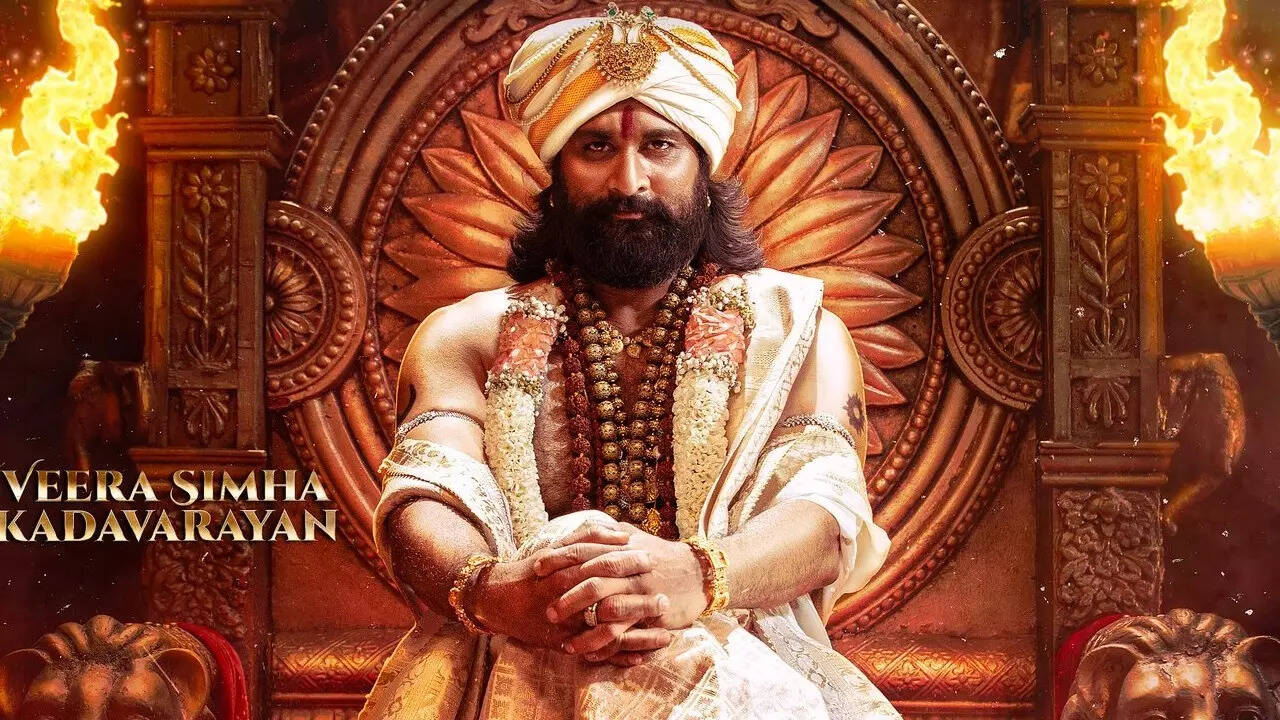
In the landscape of Indian cinema, historical dramas hold a special place—merging the grandeur of bygone eras with the emotional resonance of human stories, often reflecting contemporary cultural pride through the lens of the past. Draupathi 2, released theatrically on January 23, 2026, is the latest ambitious entry in this genre, and it positions itself as one of the most eagerly awaited Pan-Indian films of the year. Directed by Mohan G, co-written with Padma Chandrasekhar, and produced under the banner of Netaji Productions by Sola Shakkaravarthi, the film has already generated considerable buzz across Tamil, Telugu, Kannada, Malayalam, and Hindi-speaking audiences.
Featuring Richard Rishi and Rakshana Induchoodan in lead roles, Draupathi 2 is a historical action-drama that transcends regional storytelling boundaries, aiming to deliver a cinematic spectacle that combines emotional depth, cultural pride, and high-octane entertainment. With music by Ghibran, cinematography by Philip Raj Sunder, and editing by S. Devaraj, the film embodies a meticulously crafted production, reflective of contemporary India’s growing appetite for historical narratives on a grand scale.
Historical Context: Setting the Stage
Draupathi 2 is set primarily in the 14th century, a turbulent period in South Indian history marked by invasions, regional power struggles, and the consolidation of empires. The film takes inspiration from Annal Kandar’s acclaimed book Moondram Vallalla Maharaja, which chronicles the valor and strategic acumen of regional rulers during the first Mughal attempts to penetrate southern territories. The central narrative revolves around King Veera Simha Kadavarayan, portrayed by Richard Rishi, who leads the Hoysala Empire and the Kadavarayas of Senthamangalam in a heroic resistance against the formidable Mohammad Bin Tughlaq, brought to life by Chirag Jani.
This historical backdrop allows Draupathi 2 to explore themes of sovereignty, identity, and the struggle to preserve cultural heritage against external threats. By situating its story in a critical juncture of South Indian history, the film not only entertains but educates, offering audiences a dramatized window into political maneuverings, military strategies, and the societal structures of the time.
Plot Overview: From Modernity to Medieval Valor
The narrative structure of Draupathi 2 is notable for its clever framing. The story opens briefly in the year 2025, providing contemporary viewers with a point of entry and creating a narrative bridge between modern-day perspectives and historical events. This opening segment situates the tale in a broader temporal context, reminding audiences of the continuity of valor, leadership, and human struggle across centuries.
From there, the film transitions into the 14th century, where King Veera Simha Kadavarayan faces the existential threat posed by Mohammad Bin Tughlaq’s forces. The plot centers on Kadavarayan’s efforts to unify fragmented regional powers, devise innovative military strategies, and maintain the morale of his people amid an overwhelming adversary. What distinguishes Draupathi 2 from conventional historical dramas is its attention to the lived experience of its characters. Beyond the battlefield, the film explores the personal dilemmas, familial bonds, and ethical decisions faced by Kadavarayan and those around him, giving the narrative a layered complexity that resonates with modern audiences.
Rakshana Induchoodan plays a pivotal role as the queen and confidante to King Kadavarayan, offering both emotional grounding and strategic insight in the unfolding events. Her character’s arc emphasizes the often-understated contributions of women in historical narratives, highlighting diplomacy, counsel, and resilience as essential components of leadership.
Performances: Bringing Historical Figures to Life
Richard Rishi delivers a commanding performance as Veera Simha Kadavarayan, embodying the regal gravitas, physical prowess, and emotional depth required of a historical leader. His portrayal balances the ferocity of a warrior with the reflective intelligence of a strategist, making Kadavarayan a figure of inspiration rather than mere caricature. Critics have praised Rishi for his ability to project both strength and vulnerability, particularly in scenes depicting the toll of prolonged warfare and personal loss.
Chirag Jani’s Mohammad Bin Tughlaq is a compelling antagonist, combining historical menace with cinematic flair. Jani’s portrayal avoids one-dimensional villainy, instead presenting Tughlaq as a complex figure—ambitious, calculated, and capable of ruthlessness—reflecting the multifaceted nature of historical rulers.
Rakshana Induchoodan’s nuanced performance brings emotional resonance to the film, highlighting the personal sacrifices and moral dilemmas faced by those supporting a leader in turbulent times. The supporting cast, including seasoned actors in pivotal roles, contributes to the film’s depth, ensuring that each character is integral to the narrative rather than a mere historical placeholder.
Cinematic Craft: Visual Storytelling at Its Peak
Draupathi 2 excels in visual storytelling, with Philip Raj Sunder’s cinematography capturing the grandeur of the Hoysala Empire and the stark brutality of 14th-century warfare. Wide panoramic shots of sprawling fortresses, dense forests, and intricately designed palaces establish the scale and authenticity of the period, while intimate close-ups emphasize character emotions and human stakes. The cinematography balances spectacle with intimacy, ensuring that viewers remain engaged both emotionally and visually.
Editor S. Devaraj shapes these visuals into a coherent and compelling narrative, maintaining narrative momentum across the film’s 159-minute runtime. Devaraj’s editing choices, particularly during battle sequences, allow for clarity amid chaos, making action sequences both thrilling and comprehensible.
Ghibran’s Musical Score: Amplifying Emotion and Tension
Music in Draupathi 2 plays a critical role in conveying the emotional and cultural dimensions of the narrative. Ghibran’s score blends traditional South Indian instrumentation with contemporary cinematic scoring techniques, creating a soundscape that is at once epic and intimate. From the rhythmic tension of battle sequences to the contemplative moments of personal reflection, the music amplifies narrative stakes and enhances viewer immersion. Ghibran’s compositions also integrate motifs inspired by historical South Indian musical traditions, reinforcing the film’s cultural authenticity.
Action and Spectacle: A Historical War Epic
Draupathi 2 features meticulously choreographed action sequences, combining large-scale battlefield choreography with smaller, tension-filled skirmishes. The film’s depiction of 14th-century warfare is grounded in historical research yet enhanced with cinematic dynamism. Cavalry charges, sword fights, and siege tactics are rendered with precision, creating sequences that are both exhilarating and narratively meaningful.
The use of practical effects, combined with computer-generated imagery for large-scale battles, ensures that the film maintains a sense of realism while delivering the visual spectacle audiences expect from a Pan-Indian historical epic. These sequences serve not merely as entertainment but as narrative devices, reflecting strategic thinking, leadership, and the high stakes of the historical moment.
Pan-Indian Appeal and Language Reach
A significant aspect of Draupathi 2 is its multilingual release strategy. By distributing the film in Tamil, Hindi, Kannada, Malayalam, and Telugu, the producers aim to reach a broad Pan-Indian audience, recognizing the shared cultural heritage and collective interest in South Indian history across linguistic boundaries. This approach also reflects contemporary trends in Indian cinema, where regional films are increasingly produced and marketed for national and international audiences, thereby breaking traditional linguistic silos.
The translation and dubbing efforts, combined with cultural localization in dialogue and context, allow audiences from different regions to engage meaningfully with the historical narrative without losing the film’s authenticity or emotional impact.
Cultural Significance: Retelling History for Modern Audiences
Beyond its cinematic spectacle, Draupathi 2 holds significant cultural value. By dramatizing the resistance of the Hoysala Empire and the Kadavarayas against early Mughal incursions, the film engages with historical memory, regional identity, and collective pride. It encourages contemporary audiences to reflect on historical resilience, leadership, and the challenges of defending cultural and political sovereignty.
The film also contributes to a growing trend in Indian cinema of re-examining regional histories, previously overlooked in mainstream narratives dominated by North Indian historical events. By foregrounding South Indian rulers, traditions, and military strategies, Draupathi 2 fosters greater appreciation for the complexity and richness of India’s diverse historical landscape.
Trailer Reception and Marketing
The official trailer, released on January 10, 2026, offered audiences a glimpse into the film’s scale, emotional stakes, and action sequences. It showcased Richard Rishi’s commanding presence, Chirag Jani’s menacing antagonist, Ghibran’s evocative score, and visually stunning recreations of the Hoysala Empire.
Fans and critics alike responded enthusiastically, praising the trailer for its grand visuals, dramatic tension, and fidelity to historical context. The promotional campaign emphasized the Pan-Indian appeal, using multilingual marketing strategies and digital platforms to reach diverse audience segments. Social media engagement, teaser releases, and interviews with the cast and crew generated significant anticipation, positioning Draupathi 2 as a marquee release for Pongal 2026.
Director Mohan G: Vision and Craft
Mohan G’s dual role as director and co-writer reflects a deep investment in the project’s creative vision. Known for his previous work in historical and action dramas, Mohan G brings a meticulous attention to historical detail, narrative pacing, and character development. His collaboration with co-writer Padma Chandrasekhar ensures that the script balances historical accuracy with cinematic storytelling, creating a film that is both engaging and informative.
Mohan G’s direction emphasizes the human dimension of history, highlighting the ethical dilemmas, personal sacrifices, and leadership challenges faced by King Kadavarayan and his allies. This approach allows the film to transcend mere spectacle, offering audiences a compelling meditation on the costs and responsibilities of leadership in times of crisis.
Critical and Audience Expectations
As a major historical release, Draupathi 2 enters a competitive cinematic landscape with high expectations. Audiences anticipate a combination of historical authenticity, cinematic spectacle, strong performances, and emotional resonance. Critics are particularly attentive to the film’s ability to balance these elements, evaluating the coherence of the narrative, the accuracy of historical representation, and the effectiveness of its technical achievements.
Early reactions to the trailer suggest that the film successfully generates excitement while signaling its commitment to historical storytelling, positioning Draupathi 2 as a potentially landmark release in South Indian cinema.
Conclusion: A New Milestone in Pan-Indian Cinema
Draupathi 2 represents a bold and ambitious effort to combine historical narrative, action spectacle, and emotional depth in a Pan-Indian cinematic context. With Richard Rishi’s commanding performance, Mohan G’s assured direction, Ghibran’s evocative score, and Philip Raj Sunder’s immersive cinematography, the film promises to be both entertaining and culturally significant.
By dramatizing the heroic resistance of the Hoysala Empire and Kadavarayas against early Mughal invasions, Draupathi 2 offers audiences a window into a critical period of South Indian history, emphasizing courage, leadership, and resilience. Its Pan-Indian release, multilingual reach, and carefully crafted production ensure that it is poised to resonate with audiences across linguistic and regional boundaries.
For historians, cinema enthusiasts, and general audiences alike, Draupathi 2 is more than just a film—it is a celebration of South Indian heritage, a testament to the enduring power of storytelling, and a vivid reminder that the past continues to inspire, educate, and entertain. As Pongal 2026 approaches, audiences can look forward to a cinematic experience that marries history with spectacle, strategy with emotion, and heroism with human vulnerability—marking Draupathi 2 as one of the defining films of the year.