
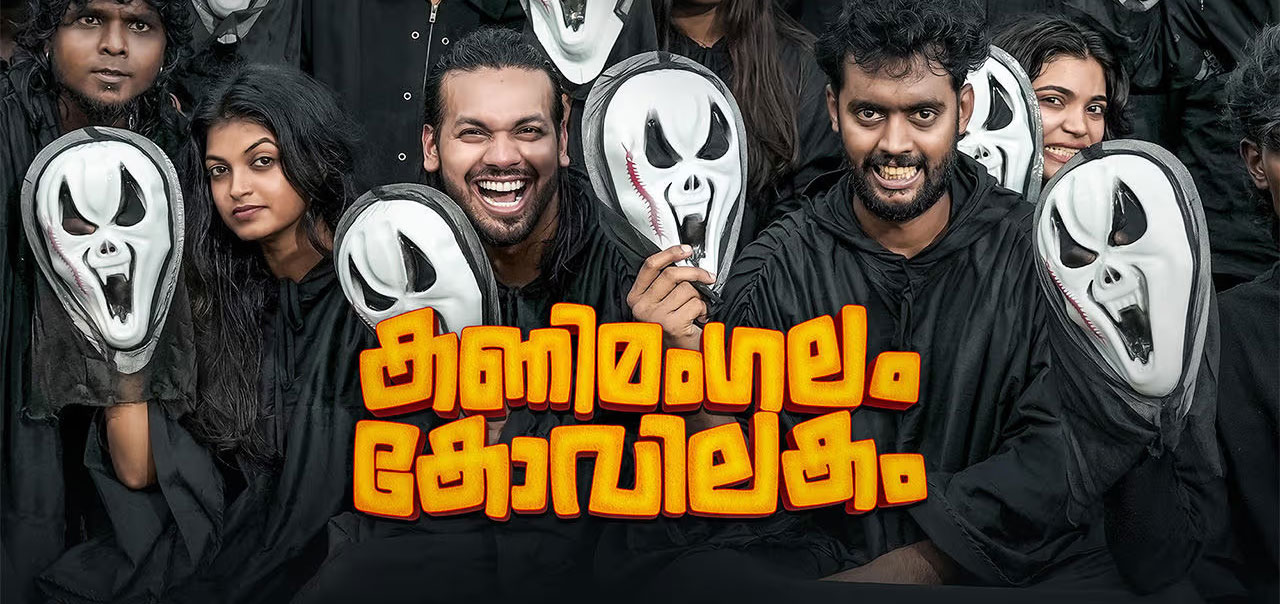
Malayalam cinema has long been celebrated for its unique ability to blend genres with finesse, offering audiences narratives that are both culturally rooted and universally entertaining. From socially conscious dramas to offbeat comedies, the industry has consistently pushed boundaries while retaining a distinctive regional flavor. The 2026 release Kanimangalam Kovilakam marks the latest addition to this lineage, delivering a horror-comedy experience that is as amusing as it is spooky. Directed by Raajesh Mohan, the film presents an engaging narrative, vivid performances, and technical craftsmanship that underscores the evolving nature of genre cinema in Kerala.
Released on January 16, 2026, under the banners of Clapboard Films and British Cinemas, Kanimangalam Kovilakam combines elements of suspense, supernatural intrigue, and humor, offering a unique cinematic experience that appeals to a wide range of viewers. With a talented cast led by Ajmal Khan, Abbhi Krish, and Muhamad Rafin, the film creates a lively interplay between fear and laughter, demonstrating the director’s skill at balancing tonal contrasts.
Plot Overview: Haunted Hilarity at Kovilakam
At the heart of Kanimangalam Kovilakam is a narrative that is both familiar and refreshingly inventive. The story revolves around a centuries-old palace, the Kanimangalam Kovilakam, notorious in local lore for its supernatural occurrences. The palace, a sprawling structure with winding corridors, hidden chambers, and intricate wooden carvings, serves as the primary stage for the film’s blend of horror and comedy.
Ajmal Khan plays the central protagonist, a skeptical young man who inherits the ancestral palace under mysterious circumstances. His character, caught between disbelief and curiosity, provides the audience with a relatable lens through which the supernatural events unfold. Abbhi Krish portrays his comedic sidekick, whose nervous energy and humorous reactions contrast with Ajmal’s rational demeanor, creating a dynamic duo that anchors the narrative. Muhamad Rafin, as the third lead, adds layers of mystery, portraying a character whose motives remain ambiguous until the climactic reveal.
The plot weaves together traditional ghost story elements—strange sounds, flickering lights, and inexplicable movements—with moments of slapstick humor and witty dialogue. Rather than relying solely on jump scares or melodrama, Mohan’s script emphasizes timing, character interactions, and situational comedy, creating a horror-comedy hybrid that keeps the audience engaged without overwhelming them with either tone.
The film’s pacing is carefully calibrated. Early sequences introduce the palace and its legends, establishing the eerie atmosphere while allowing the characters’ personalities to shine. Midway through, the narrative escalates with a series of supernatural encounters and comedic mishaps, leading to a crescendo of tension and hilarity. The climax unites these threads, providing a resolution that is both satisfying and true to the film’s tonal balance.
Performances: A Harmonious Blend of Humor and Spookiness
One of the film’s strongest assets is its cast, each performer contributing to the overall rhythm and tone of the story. Ajmal Khan’s portrayal of the protagonist is both grounded and expressive. His reactions to the palace’s supernatural elements—ranging from incredulous skepticism to moments of sheer terror—anchor the audience in the narrative and provide a relatable human perspective amid the chaos. Khan demonstrates versatility, seamlessly shifting between comedic timing and suspenseful tension, a rare combination that is essential for a successful horror-comedy.
Abbhi Krish’s performance complements Khan’s, infusing the film with levity and charm. His comedic sensibilities are evident in his exaggerated expressions, physical humor, and rapid-fire delivery of lines. Krish excels in balancing humor without undermining the story’s supernatural stakes, creating a character whose anxiety and antics enhance rather than distract from the narrative.
Muhamad Rafin delivers a more enigmatic performance, imbuing his character with subtlety and intrigue. His presence introduces a layer of suspense, keeping the audience guessing about his true intentions. Rafin’s restraint contrasts with the other leads’ more overt expressions, providing depth to the ensemble and reinforcing the film’s tonal complexity.
The supporting cast, though not as prominently featured, contributes significantly to the film’s atmosphere. Their reactions to the palace’s strange events, whether comedic or fearful, amplify the main characters’ experiences and enhance the immersive quality of the narrative. The chemistry among the cast is palpable, and their interactions form the emotional and comedic backbone of the film.
Direction and Writing: Raajesh Mohan’s Vision
Raajesh Mohan, who also penned the screenplay, demonstrates a clear understanding of genre conventions and audience expectations. By blending horror and comedy, he navigates the fine line between tension and levity, ensuring that neither element overwhelms the other. The script is structured to allow suspense and humor to unfold organically, often in tandem, rather than as isolated sequences.
Mohan’s dialogue is another strength. The conversations between characters are witty, natural, and regionally authentic, reflecting the linguistic and cultural milieu of Kerala. Humor often arises from character interactions rather than overt jokes, lending the film a sense of authenticity and relatability. The screenplay also incorporates elements of traditional folklore, grounding the supernatural occurrences in cultural context while enhancing the narrative’s intrigue.
The director’s approach to horror is similarly nuanced. Rather than relying on clichéd tropes, he employs atmosphere, sound design, and subtle visual cues to evoke suspense. Flickering shadows, unexplained noises, and carefully framed shots build tension gradually, allowing the audience to anticipate scares without becoming desensitized. By balancing these elements with humor, Mohan ensures that the film maintains an engaging rhythm throughout its runtime.
Cinematography: Capturing the Haunted and the Humorous
Ajay Francis George’s cinematography plays a pivotal role in establishing the film’s dual tone. The palace is depicted with careful attention to architecture, light, and texture, transforming it into a character in its own right. George’s use of lighting accentuates the eerie atmosphere, with dimly lit corridors, candlelit rooms, and strategic shadows enhancing the supernatural elements.
At the same time, the cinematography accommodates comedic timing. Wider shots capture physical humor and ensemble interactions, while close-ups emphasize expressions and reactions. This visual versatility allows the film to transition smoothly between horror and comedy, maintaining cohesion despite the tonal shifts.
The film also benefits from thoughtful camera movements that guide the audience’s attention. Slow pans and tracking shots build suspense, while quick cuts and sudden zooms highlight humorous or startling moments. The cinematography thus reinforces the narrative structure and enhances audience engagement.
Music and Sound Design: Enhancing Atmosphere
Don Vincent’s musical score is integral to Kanimangalam Kovilakam’s impact. The soundtrack oscillates between eerie motifs and playful themes, reflecting the film’s dual identity as a horror-comedy. Subtle musical cues underscore suspenseful moments, while lively, upbeat passages accompany comedic sequences, guiding audience emotions and reinforcing narrative transitions.
The sound design, executed with precision, complements both the visual and musical elements. Ambient sounds, such as creaking doors, footsteps in empty halls, and whispers, heighten the sense of suspense. Simultaneously, exaggerated sound effects punctuate comedic beats, amplifying humor without feeling forced. This careful integration of sound enhances the immersive quality of the film, making both the spooky and the funny elements more effective.
Editing and Pacing
Premsai’s editing ensures that Kanimangalam Kovilakam maintains a crisp, engaging pace throughout. The film avoids lingering unnecessarily on any scene, balancing moments of tension with comedic interludes. Transitions between horror and humor are seamless, preventing tonal dissonance and keeping the audience invested in both the plot and the characters.
The film’s rhythm is particularly notable during sequences of escalating suspense, where quick cuts, cross-cutting between character reactions, and strategic timing of reveals sustain tension while setting up opportunities for humor. Premsai’s editing contributes significantly to the overall cohesion of the narrative, ensuring that viewers remain entertained and engaged from beginning to end.
Cultural Context and Audience Appeal
Kanimangalam Kovilakam resonates strongly with contemporary Malayalam audiences, who have shown a growing appreciation for genre hybrids. The film draws on traditional folklore, regional humor, and cultural references that make it uniquely relatable while maintaining universal appeal. Its portrayal of a haunted palace taps into the collective imagination, while the comedic elements ensure accessibility for a wide demographic, including younger viewers and families.
The film also reflects broader trends in Indian cinema, where horror-comedies have gained popularity for their ability to entertain without resorting to graphic violence or excessive melodrama. By combining supernatural intrigue with humor, Mohan’s film appeals to both genre enthusiasts and general audiences, broadening its potential reach.
Critical Reception and Impact
Since its release, Kanimangalam Kovilakam has received positive reviews for its inventive blend of horror and comedy, strong performances, and technical craftsmanship. Critics have praised the film’s ability to maintain a delicate balance between suspense and humor, as well as the chemistry among the lead actors. Ajmal Khan, Abbhi Krish, and Muhamad Rafin have been singled out for their engaging and versatile performances, which anchor the film and elevate the material.
Audiences have responded favorably to the film’s pacing, visual style, and playful tone, with social media conversations highlighting favorite comedic moments and standout scares. The film has sparked interest in the potential of horror-comedy as a mainstream genre in Malayalam cinema, demonstrating that regional films can successfully innovate within established conventions.
Technical Excellence and Production Values
From cinematography to music, editing, and production design, Kanimangalam Kovilakam exemplifies high production standards. The palace setting is meticulously crafted to serve both horror and comedic needs, while visual effects and lighting are employed judiciously to enhance the supernatural elements without overwhelming the narrative.
The sound design and musical score work in tandem to guide audience emotions, creating a sensory experience that complements the performances and visuals. The film’s overall production values underscore the professionalism of the crew and the director’s attention to detail, contributing to a polished and immersive cinematic experience.
Conclusion: A Genre-Defining Entry in Malayalam Cinema
Kanimangalam Kovilakam stands out as a successful horror-comedy that balances fear and laughter with skill and precision. Raajesh Mohan’s direction, combined with strong performances from Ajmal Khan, Abbhi Krish, and Muhamad Rafin, delivers a narrative that is both entertaining and engaging. The cinematography, music, and editing enhance the film’s atmosphere, creating a cohesive experience that captivates audiences from start to finish.
The film’s exploration of supernatural folklore, human folly, and comedic timing reflects a mature understanding of genre storytelling, offering a template for future Malayalam horror-comedies. By blending suspense, humor, and cultural resonance, Kanimangalam Kovilakam not only entertains but also contributes to the evolving landscape of regional Indian cinema.
For viewers seeking a film that is spooky, funny, and thoroughly engaging, Kanimangalam Kovilakam provides a perfect balance—a cinematic experience that delights, surprises, and lingers long after the credits roll.