
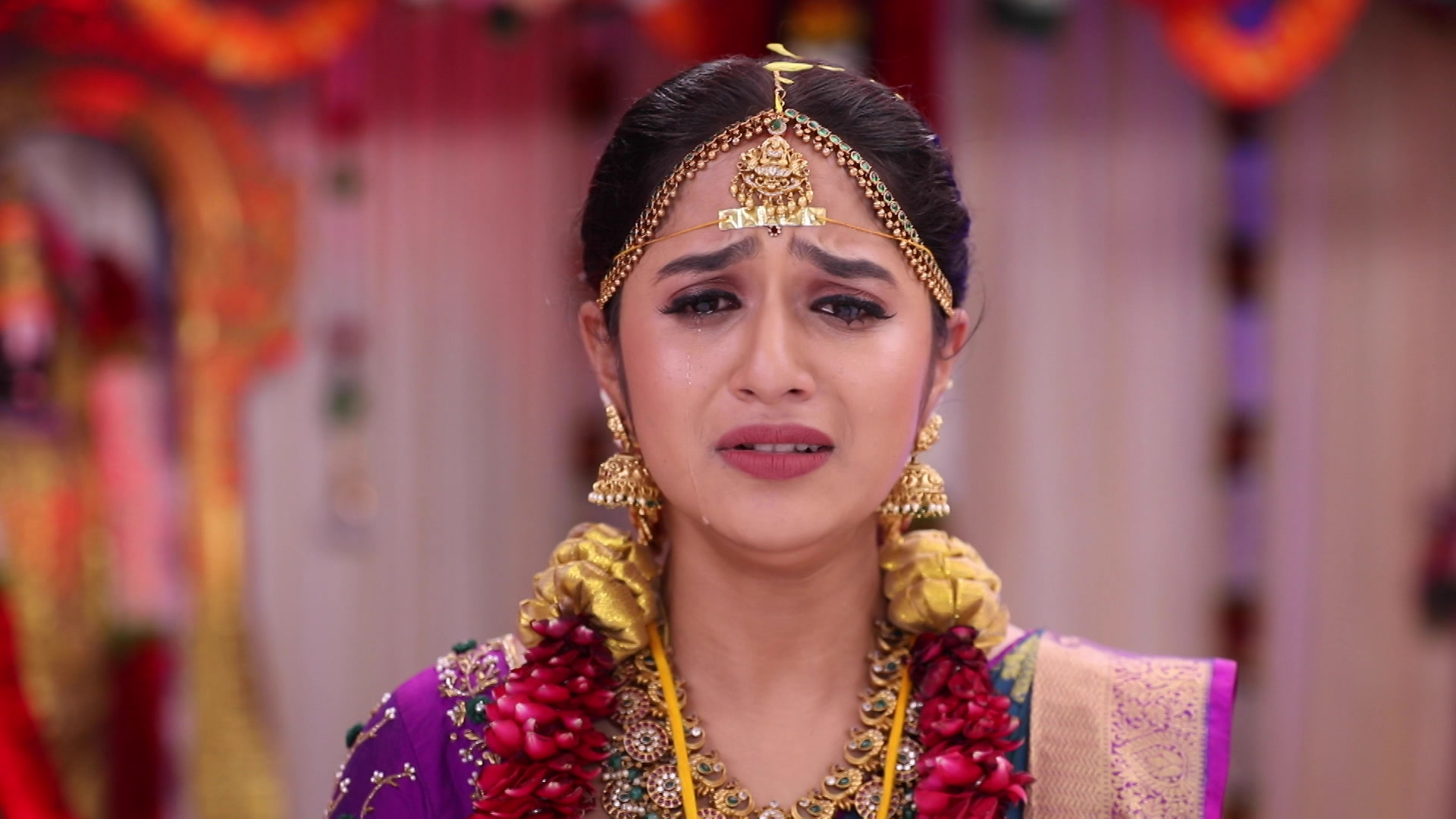
In the ever‑evolving landscape of Tamil television drama, one title has risen quickly to prominence, resonating with audiences across age groups and regions: Tamil Dhool Kanmani Anbudan Vijay Tv Serial. Premiered on 16 September 2024 on Star Vijay and streaming digitally on Disney+ Hotstar, Kanmani Anbudan (translated literally as Kanmani with love) has become one of the most discussed serials in recent memory—refreshing the genre by blending heartfelt friendship with layered romance and emotional complexity.
Produced by Daniel Xavier under the banner of D Studio and directed by V. Sathasivam, the series continues the tradition of Tamil television bringing layered character narratives to audiences through long‑form daily storytelling. Featuring Navin Vetri, Gracy Thangavel, and Madhumitha in the lead roles, the series is an official Tamil adaptation of the hit Hindi drama Suhani Si Ek Ladki from StarPlus—a creative choice that emphasizes universality in emotionally driven storytelling while contextualizing it squarely within Tamil culture.
This feature explores the show’s development, narrative arc, casting decisions, thematic strength, production nuances, cultural relevance, and the deeper emotional currents that make Kanmani Anbudan not just a TV serial, but a cultural conversation piece.
I. The Heart of the Story: Friendship Tested by Love
At its core, Kanmani Anbudan is more than a romance—it’s a story about the fragile yet powerful bond between best friends from different walks of life.
Plot Overview
The narrative revolves around two inseparable friends:
- Kanmani, portrayed by Madhumitha—a grounded, middle‑class young woman whose sincerity, warmth, and humility make her instantly relatable.
- Vennila, played by Gracy Thangavel—a beautiful, affluent young woman with a strong sense of confidence and self‑expression.
The plot twist begins when Kanmani develops feelings for Anbu (played by Navin Vetri), a charming and kind‑hearted young man. However, their emotional world becomes tangled when Anbu is, in fact, in love with Vennila. Yet, Vennila mistakenly believes that Anbu’s affection is for Kanmani. What follows is a sweeping emotional journey that tests the limits of friendship, love, trust, jealousy, and self‑identity.
This love triangle is not a mere trope—it is a narrative engine fuelled by emotional ambiguity, contradictory expectations, and evolving loyalties. The story navigates how two best friends, whose bond seemed unbreakable, find themselves at the center of emotional unrest brought on by love’s unpredictable turns.
II. Characters That Stay with You: Cast and Performance Dynamics
The strength of Tamil Dhool Kanmani Anbudan Vijay Tv Serial lies not just in its premise but in the depth and humanity of its characters.
Lead Cast
- Navin Vetri as Anbu
Navin Vetri, known previously for his role as Karthikeyan in Thamizhum Saraswathiyum, takes on a role where emotional understatement and internal conflict drive his character’s complexity. Anbu is not just a romantic interest; he embodies the struggle between loyalty to friendship and the pull of genuine romantic love. - Madhumitha as Kanmani
This role marks Madhumitha’s first lead position in Tamil television, and she embraces the challenge with natural sincerity. Kanmani’s emotional arc—rooted in honesty, vulnerability, and gradual empowerment—makes her the emotional anchor of the narrative. - Gracy Thangavel as Vennila
Another first lead for Gracy Thangavel, Vennila brings poise and depth to a character whose journey involves reconciling pride, misunderstanding, and emotional evolution. Watching Vennila experience conflict, confusion, and eventual self‑discovery adds a nuanced layer to the storyline.
Supporting Cast
The ensemble cast supports the narrative with layered roles that enhance the storyline’s texture:
- Meera Krishna as Sivagami—a pivotal familial presence whose decisions influence emotional climaxes.
- Shanthi Williams as Rajeshwari—adding traditional values and generational perspective.
- Sanjay Kumar Asrani as Rajasekar, Kadhal Kannan as Senthil, Girish Ayyappan, and Karthik Sasidharan as Karthi—each embedding the story within relatable social contexts.
- Muthulakshmi Vaidyanathan, P. Malar, Raghul Kanagaraj, Tanishka as Maya, Rithik as Iniyan, and Sripriya (added in August 2025)—all contribute to the multi‑dimensional universe of the serial.
This cast brings authenticity to their roles, making every familial exchange, confrontation, and emotional shift feel grounded rather than melodramatic—a balancing act that separates quality serialized drama from formulaic storytelling.
III. Creative Vision: Production and Direction
Director V. Sathasivam
The creative helm of Kanmani Anbudan rests with V. Sathasivam, a director known for his work on series such as Kasthuri and Roja. Sathasivam’s directorial fingerprint is evident in the show’s pacing, empathy toward characters, and nuanced handling of emotionally charged scenes.
Rather than overwhelming viewers with overt dramatization, the series allows emotional beats to resonate—showing restraint and depth. It’s a stylistic choice that invites viewers to sit with characters in their moments of joy, confusion, betrayal, and healing.
Producer Daniel Xavier & D Studio
Under the stewardship of Daniel Xavier, D Studio brings a layered production approach that blends contemporary TV aesthetics with narrative authenticity. Set design, costume choices, and cinematography support the emotional tone of the series—soft hues in intimate scenes, dynamic framing in emotionally tense moments, and cultural symbols that resonate with Tamil audiences.
IV. Adaptation: From Hindi Roots to Tamil Soul
Kanmani Anbudan is officially adapted from the StarPlus Hindi television series Suhani Si Ek Ladki. While the show borrows the overarching narrative structure from its Hindi counterpart, its Tamil rendition is more than translation—it is transformation.
Cultural Transposition
Rather than merely replicating scenes, Kanmani Anbudan recontextualizes the narrative within Tamil cultural sensibilities:
- Family structures and values reflect Tamil social nuances.
- Festivities, rituals, and familial gatherings are depicted in ways that resonate with the region’s ethos.
- Language, colloquialisms, and emotional cadence resonate with a Tamil audience’s lived experience.
This localization transforms the source material into something familiar yet fresh—leveraging the core emotional journey of Suhani Si Ek Ladki while infusing it with cultural specificity.
V. Beginning of the Journey: Promotional Lead‑Up and Premiere
The promotional strategy for Tamil Dhool Kanmani Anbudan Vijay Tv Serial was precise and evocative.
Teaser Releases
- The first promo, released on 15 August 2024, vividly captured Madhumitha and Dushita joyfully soaking in the rain—a symbolic representation of youthful emotion, vulnerability, and romantic possibility.
- This imagery set the emotional tone, suggesting not just romantic yearning but also friendship, spontaneity, and the unpredictability of life.
Premiere & Time Slot
The series debuted on 16 September 2024, taking over the 2:00 PM (IST) week‑day time slot from Chellamma, a move that signaled confidence from Star Vijay in the show’s potential to capture a broad audience during daytime television hours.
Airing Monday to Saturday, the scheduling supports narrative continuity—allowing viewers to follow arcs closely and become fully invested in ongoing developments.
VI. Narrative Themes: Love, Misunderstanding, and Emotional Growth
What sets Single Pasanga apart from simpler romantic sagas is its thematic layering.
Friendship as Foundation
The bond between Kanmani and Vennila begins as a celebration of friendship across socio‑economic lines. Middle‑class Kanmani and affluent Vennila defy societal expectations with a bond that feels egalitarian, supportive, and genuine. This foundation makes the eventual tension all the more compelling—because it threatens something deeply cherished.
Love vs. Loyalty
When Kanmani falls for Anbu, and Anbu loves Vennila, the series dives into emotional conflict not as spectacle but as inquiry: How does one reconcile personal desire with loyalty to friendship?
Vennila’s misunderstanding—that Anbu loves Kanmani—forms the core emotional friction. The series uses misunderstanding not as cheap drama, but as a psychological exploration of perception, expectation, and emotional truth.
Identity and Self‑Discovery
Beyond the romantic triangle is a story about self‑identity: how Kanmani, Vennila, and Anbu navigate who they are in relation to others. Do they define themselves by how they are loved? Or by how they love?
These questions, quietly embedded into dialogue and performance, elevate the show from melodrama to meaningful storytelling.
VII. Representation and Relatability: Why Viewers Connect Deeply
The show’s emotional impact stems from its capacity to reflect real human experience—yet dramatized smoothly enough to make weekly viewing an emotional ritual for fans.
Relatable Characters
- Kanmani’s sincerity resonates with viewers who value humility and emotional honesty.
- Vennila’s vulnerability beneath confidence echoes the complexity of modern womanhood.
- Anbu’s inner conflict mirrors the universal question of how to choose between desire and duty.
In these characters, audiences find mirrors of themselves—heart, hesitation, confusion, and courage woven into the narrative fabric.
Family and Social Context
Tamil television has long positioned families at the center of emotional drama. Kanmani Anbudan uses familial reactions not as plot fodder, but as emotional commentary—revealing how support, pressure, expectation, and tradition influence personal choices.
This layering invites home audiences to not just watch but participate emotionally: discussing scenes, conjecturing motivations, and investing in character fate.
VIII. Reception: Critics and Audience Engagement
Within months of its premiere, Kanmani Anbudan garnered significant buzz across television audiences, social media platforms, and fan communities. Key markers of its early success include:
- Viewer loyalty reflected in consistent daytime ratings gains.
- Digital engagement through Disney+ Hotstar streams, shareable clips, and discussion threads.
- Fan‑generated content on social platforms—memes, dialogues, fan art—cultivating deeper connection.
Critics have noted the series’ emotional nuanced writing and standout performances as contributing factors to its appeal, emphasizing that the series transcends predictable romantic feud tropes.
IX. The Road Ahead: Narrative Possibilities and Growth
As Tamil Dhool Kanmani Anbudan Vijay Tv Serial continues unfolding its narrative arc, several questions animate the audience:
- Will Kanmani and Vennila salvage their friendship?
- Can Anbu reconcile his emotions without fracturing the core bond between the two women?
- What choices will each character make when faced with emotional truth versus social expectation?
The storytelling promise lies not in predictability, but in how emotional complexity is honored and resolved.
Rumours of future arcs include deeper backstories for secondary characters, expanded family subplots, and narrative shifts that further test loyalty and identity.
X. Conclusion: A Defining Chapter in Tamil TV Drama
From its emotional core to its production craft, Tamil Dhool Kanmani Anbudan Vijay Tv Serial represents a compelling evolution in Tamil television drama. It marries classic storytelling with contemporary emotional inquiry, anchored by compelling performances and thoughtful writing.
More than just another serial, it is a narrative testament to friendship’s power, love’s complexity, and the emotional landscapes that define us. Whether watched for romance, drama, or human truth, the show stands as a conversation starter—reflecting not only characters on screen, but the inner dialogues of viewers watching at home.
In an entertainment era crowded with spectacle, Kanmani Anbudan chooses sincerity—and in doing so, finds its own enduring resonance.